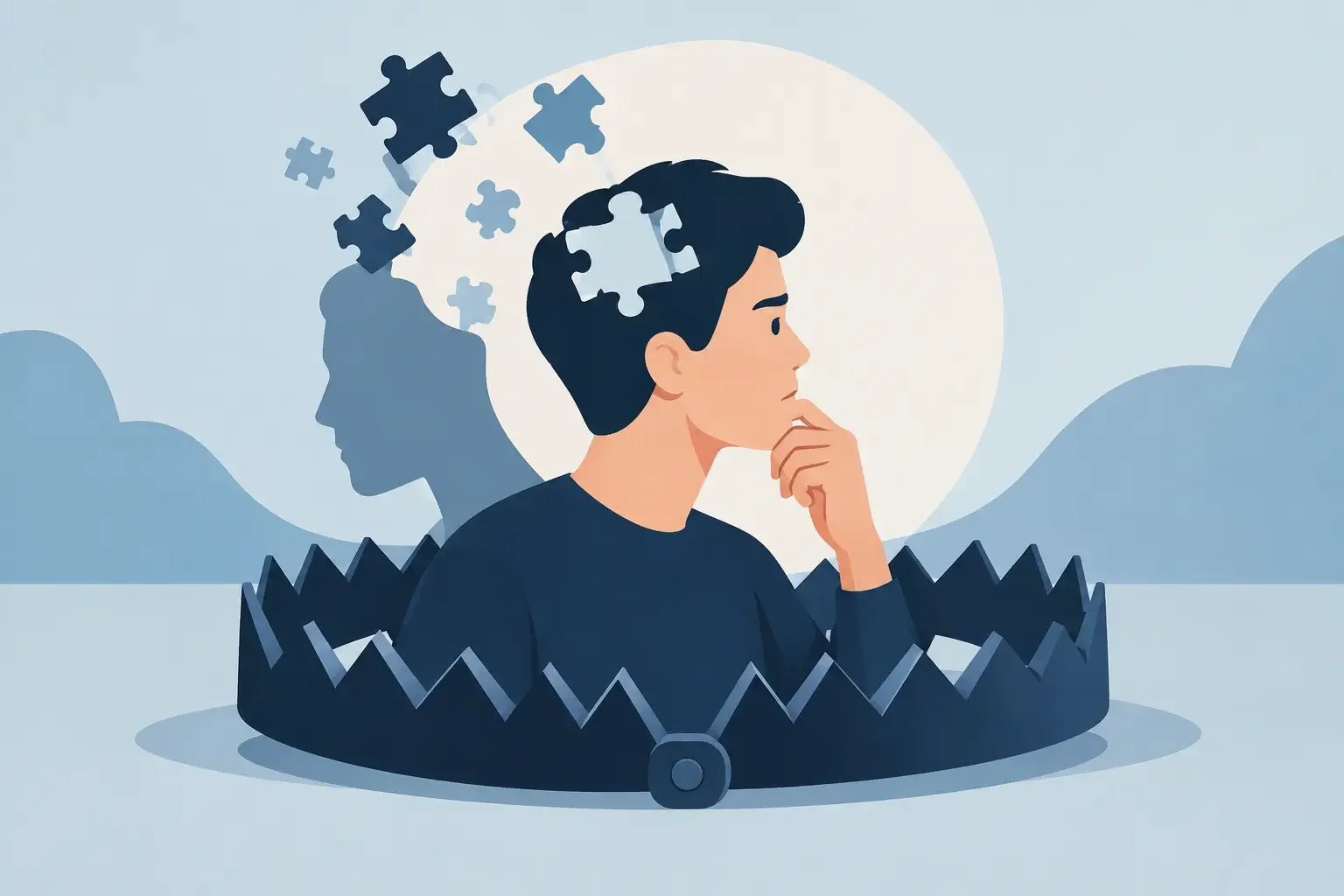
A loaded gun sits in a drawer. A stranger knows your name. Blood stains the cuff of your shirt. Worst of all, you cannot remember how any of it got there. That is why the best amnesia plot examples hit so hard: memory loss is not just a gimmick. It turns the protagonist into the prime suspect, the victim, and the only witness all at once.
For thrillers, mysteries, science fiction, and paranormal suspense, amnesia is gasoline on an already burning story. It creates an instant question with teeth: what did this character do before page one? The answer can expose a killer, start a war, destroy a family, or reveal that the hero has been lying to themselves.
Why Amnesia Works in High-Stakes Fiction
A normal mystery asks readers to figure out what happened. An amnesia story makes the person at the center of the crime hunt for the truth with everyone else. That changes the pressure. The detective may be corrupt. The spouse may be lying. The friendly stranger may be there to finish the job.
The strongest versions make memory loss costly. The missing memories should contain something dangerous: an identity, a betrayal, a crime, a location, or a promise made to the wrong person. If the lost information does not change the stakes, it becomes fog between scenes. If it can get someone killed, every recovered image feels like a live wire.
Spoilers follow for the examples below.
10 Amnesia Plot Examples Built for Suspense
1. Memento turns memory into a weapon
Christopher Nolan's Memento is the pressure-cooker version of the concept. Leonard cannot form new long-term memories after an attack that killed his wife. He relies on notes, photos, tattoos, and hard rules to track the man he believes is responsible.
The movie's brutal move is simple: the system meant to protect Leonard can be manipulated. His clues are not objective truth. They are fragments selected by a man who cannot remember why he wrote them. The story works because amnesia is not a side condition. It is the engine behind every twist and every terrible decision.
2. The Bourne Identity makes the hero fear himself
Jason Bourne wakes up in the Mediterranean with bullets in his back, a bank account full of strange resources, and lethal skills he cannot explain. He is hunted before he even knows why.
This is an action-thriller gold standard because the mystery and the action feed each other. Every fight answers one question while raising another. Who trained him? Who wants him dead? And when he learns the truth, is he a good man trying to escape a violent past or a weapon pretending he has a choice?
3. Before I Go to Sleep turns every morning into a crime scene
In Before I Go to Sleep, Christine wakes each day without memories of her adult life. Her husband explains who she is, where she lives, and what happened to her. Then a doctor tells her not to trust him.
That setup strips away the safety net most readers take for granted. Christine cannot verify yesterday's promises or remember last night's threat. The tension comes from repetition with variation. Each day begins at zero, but the danger has been moving while she slept.
4. The Long Kiss Goodnight lets a suburban life explode
Samantha Caine is a teacher and mother with no memory of her earlier life. After an accident triggers flashes of a darker past, she discovers that Samantha may be a cover identity for Charly Baltimore, a trained assassin with unfinished business.
This is the fun, high-caliber version of an amnesia plot. The reveal does not only expose a secret. It changes the hero's physical capability. A woman who thought she was ordinary finds out she can fight, shoot, and survive better than the killers coming for her. The past arrives armed and angry.
5. Total Recall asks whether the memory is the lie
In Total Recall, Douglas Quaid buys an implanted vacation memory involving Mars, espionage, and danger. Then the process goes wrong, or maybe it works exactly as intended. Quaid starts to suspect that his entire identity has been manufactured.
Science fiction gives amnesia stories a meaner edge because memory can be edited, sold, implanted, or erased on purpose. The plot is not merely about remembering. It is about whether a person remains themselves after someone else has rewritten the evidence inside their head.
6. Shutter Island uses missing truth as psychological horror
Teddy Daniels arrives at a remote psychiatric hospital to investigate a missing patient. A storm seals off the island. Staff members dodge his questions. His migraines, hallucinations, and memories of war worsen by the hour.
The film is not traditional amnesia in the clean, medical sense, but it belongs in the conversation because Teddy's mind has barricaded itself against a devastating truth. The lesson for writers is sharp: lost memory can be an act of survival. The reveal hits hardest when remembering is more frightening than any external monster.
7. Unknown turns identity into a deadly contest
In Unknown, Liam Neeson's character wakes from a coma to find another man living under his name, married to his wife, and accepted by everyone around him. He has documents and memories, but neither proves he is who he claims to be.
This setup works because it attacks identity from every direction. The hero is not simply missing information. He is being actively replaced. That creates a clean thriller question: if nobody believes you are yourself, how far will you go to prove it?
8. The Girl on the Train makes blackout memory dangerous
Rachel Watson drinks heavily and cannot remember parts of the night a woman goes missing. Her fractured recollections make her both a possible witness and a possible suspect.
Blackout memory is not the same as full amnesia, but it can deliver the same dread in a grounded mystery. The protagonist does not know whether to trust their own fear. For crime fiction, that uncertainty is potent. A missing hour can hide a murder, an assault, a lie, or the moment someone chose not to act.
9. 50 First Dates proves the device can carry heart
Not every amnesia story needs a body count. In 50 First Dates, Lucy loses the memories she formed each day after an accident. Henry has to win her over again and again.
The premise is played for comedy and romance, but it reveals the emotional core of the device. Memory is how relationships accumulate weight. Remove it, and love becomes an action rather than a history. For a darker story, that same idea can become devastating: what happens when a survivor wakes up each morning beside the person who hurt them?
10. The Bourne Supremacy shows why recovered memory changes everything
The first Bourne story is about discovery. Later entries show the price of discovery. Once Bourne remembers the assassin he used to be, he cannot go back to being the man who simply wants peace.
That is a crucial lesson. The reveal should not end the plot. It should ignite the next phase. Memory recovery needs consequences: enemies return, guilt sharpens, old loyalties become traps, and the hero must decide whether their past controls their future.
What These Amnesia Plot Examples Get Right
The best amnesia plots do not hide information from readers just to spring a final-page trick. They build a fair trail of physical clues, emotional reactions, contradictory stories, and behavior that does not fit the hero's stated identity. A scar matters. A strange skill matters. A name whispered by the wrong person matters.
They also give the memory loss rules. Is it short-term? Trauma-related? Caused by drugs, technology, magic, or an injury? Can memories return through triggers, or are they gone for good? The rules do not need a medical lecture, especially in a fast-paced genre novel. But they need consistency. Readers will follow a wild premise if the story does not change its own rules whenever it needs an easy escape.
There is a trade-off, though. Hold back too much for too long and the protagonist can feel passive, dragged from clue to clue by people who know more. Give them a strong present-day goal. They may be trying to protect a child, outrun a hunter, clear a murder charge, find a missing person, or survive the next twelve hours. The past is the bomb under the floorboards. The present gives the character something to fight for.
The Real Hook Is What Memory Costs
Amnesia is not frightening because someone forgets a birthday or loses their keys. It is frightening because memory tells us who we are, who we trust, and what we are capable of doing when the lights go out.
Give your character one recovered memory that makes them wish they had stayed in the dark. Then make them choose what to do with it.