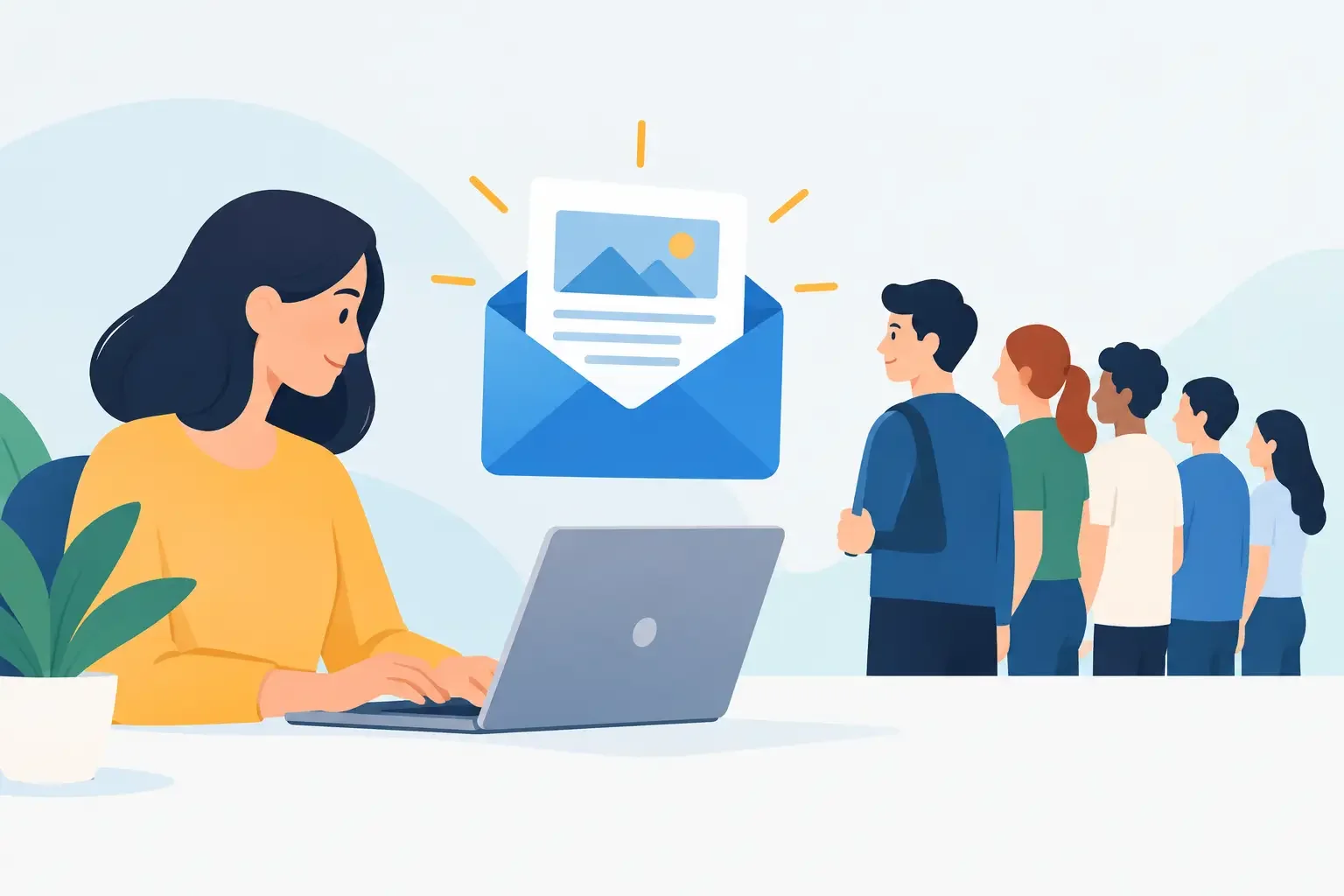
A great thriller does not wait around for you to find it. It kicks down the door, drops a body on the floor, and leaves you needing the next chapter. Author newsletters do the same thing for readers: they put new books, early announcements, bonus material, and signed-copy news directly in your inbox before the noise of the internet buries it.
For readers who burn through suspense, science fiction, paranormal danger, murder mysteries, and full-throttle action, a newsletter is not another piece of clutter. Done right, it is the shortest route between “What should I read next?” and “I need this book now.”
Why Author Newsletters Beat the Algorithm
Social media is a crowded crime scene. A post can disappear in minutes under ads, arguments, cat videos, and whatever trend caught fire that afternoon. Even readers who follow an author can miss a cover reveal, a preorder announcement, or the release of a new paperback.
Email is different. It is direct. When an author has a new story loaded with dangerous secrets, a bad decision with a body count, or a hero pushed past the point of no return, subscribers hear about it without gambling on an algorithm.
That matters most for writers working across genre lanes. Maybe you came for a murder mystery with a ticking clock. Maybe the next book is a paranoid psychological thriller, a science fiction fight for survival, or a supernatural case that gets bloody fast. A newsletter keeps the connection alive without asking readers to guess what is coming next.
It also gives authors a cleaner way to speak to the people actually invested in the stories. No publisher-sized wall. No faceless marketplace page. Just a quick message from the person who wrote the mayhem to the reader ready to open the next book.
What Readers Should Get From Author Newsletters
Not every email deserves your attention. A good author newsletter earns its place in the inbox by delivering something useful, entertaining, or exclusive. It should feel like a trailer before the feature, not a flyer shoved under the windshield wiper.
The best newsletters usually lead with the news readers care about: a release date, a new cover, a preorder opening, or a signed paperback becoming available. If a book is live, readers should know where they can get it and which formats are available. Some want a Kindle copy at midnight. Others want a paperback they can hold, shelve, and reread. Neither choice is wrong.
Beyond release news, the strongest emails offer a little extra fuel. That might be a deleted scene, a look at the story behind a character, an early peek at the opening chapter, or a note about the strange idea that started the whole mess. These details are not required to enjoy the novel. They are rewards for readers who want to stay close to the action.
Signed-book announcements are another real perk. A signed copy turns a paperback into something more personal, especially for readers who collect physical editions or want a gift that does not feel mass-produced. Availability can be limited, and a newsletter is often the fastest way to hear when those copies are ready.
The Difference Between Updates and Inbox Noise
There is a line between staying visible and becoming annoying. Readers have every right to protect their inboxes. Authors have every reason to respect that.
A newsletter does not need to arrive every day to do its job. For most fiction readers, a well-timed email around a launch, preorder, cover reveal, or special announcement is more valuable than a constant stream of empty chatter. Frequency depends on how quickly an author releases books and how much worthwhile news there is to share.
Short emails often work best. Give readers the hook, the stakes, and the next move. If a new story follows a desperate driver in a race where losing means dying, say that. If a detective is chasing a killer who knows every move before it happens, lead with it. Readers signed up for fiction because they want to feel the pull of a story, not because they need a corporate memo.
There is a trade-off, though. Readers who only want release alerts may not care about behind-the-scenes notes. Readers who love character sketches and early excerpts may want more. The smart approach is simple: make the core news easy to spot, then let the extra material add flavor instead of getting in the way.
How to Choose the Right Author Newsletter
Your reading time is limited. Your to-be-read pile is probably already armed and dangerous. Subscribing should make choosing your next book easier, not harder.
Start with authors whose previous books delivered the kind of ride you want. If you like fast pacing, escalating pressure, sharp twists, and characters cornered by impossible choices, follow writers who consistently deliver those things. A newsletter is especially useful when you have finished one book and do not want to lose track of the next one.
Pay attention to the promise behind the email. Does the author send clear release information? Do the book descriptions make you want to know what happens next? Are the messages occasional and focused, or are they padded with noise? You can usually tell within a few emails whether the newsletter respects your time.
It is also worth considering format. If you mainly read on Kindle, you may care most about digital launches and Kindle Unlimited availability. If you prefer paperbacks, signed editions, special print runs, and direct ordering may matter more. The right newsletter tells you what is available without treating every reader like they buy the same way.
A Better Way to Follow a Fiction Series
Series readers know the pain of discovering book one at 11:30 p.m., finishing it far too late, and then realizing book two exists somewhere in the wild but has not crossed their path. Author newsletters cut through that problem.
They can flag the next installment before launch day, remind readers when a new series begins, and point out connected stories they might otherwise miss. This is useful when books share a universe, a recurring investigator, a rival crew, or a threat that survived the first round.
The best part is momentum. When you are invested in a character’s survival, a mystery’s answer, or a villain’s inevitable downfall, you should not have to rely on chance to catch the next release. A direct email keeps the trail warm.
For authors, that same connection creates a better launch. The people opening the email are not random passersby. They are readers who already understand the promise: high stakes, hard choices, danger closing in, and a story that moves.
What a Good Welcome Email Should Tell You
The first email after you subscribe sets the tone. It does not need fireworks, though a little chaos never hurts. It should tell you what kind of stories the author writes, what kinds of updates you can expect, and how often those updates are likely to arrive.
A useful welcome message may also include a reader freebie, an excerpt, or a quick introduction to the current books. That gives new subscribers a place to start instead of dropping them into the middle of a long-running catalog with no map.
If the email feels vague, overly aggressive, or packed with sales language but no sense of story, give it time only if the books themselves are worth it. Otherwise, unsubscribe. A reader’s attention is valuable. The right author will treat it that way.
Stay Close to the Stories You Actually Want
The best author newsletters are not about adding one more obligation to your day. They are about making sure the next book you are hungry for does not slip past you unnoticed.
Keep the authors who deliver the kind of fiction that makes you miss your exit, stay up past midnight, or say “one more chapter” like it is a terrible life decision. When the next dangerous story arrives, you will already be first in line.