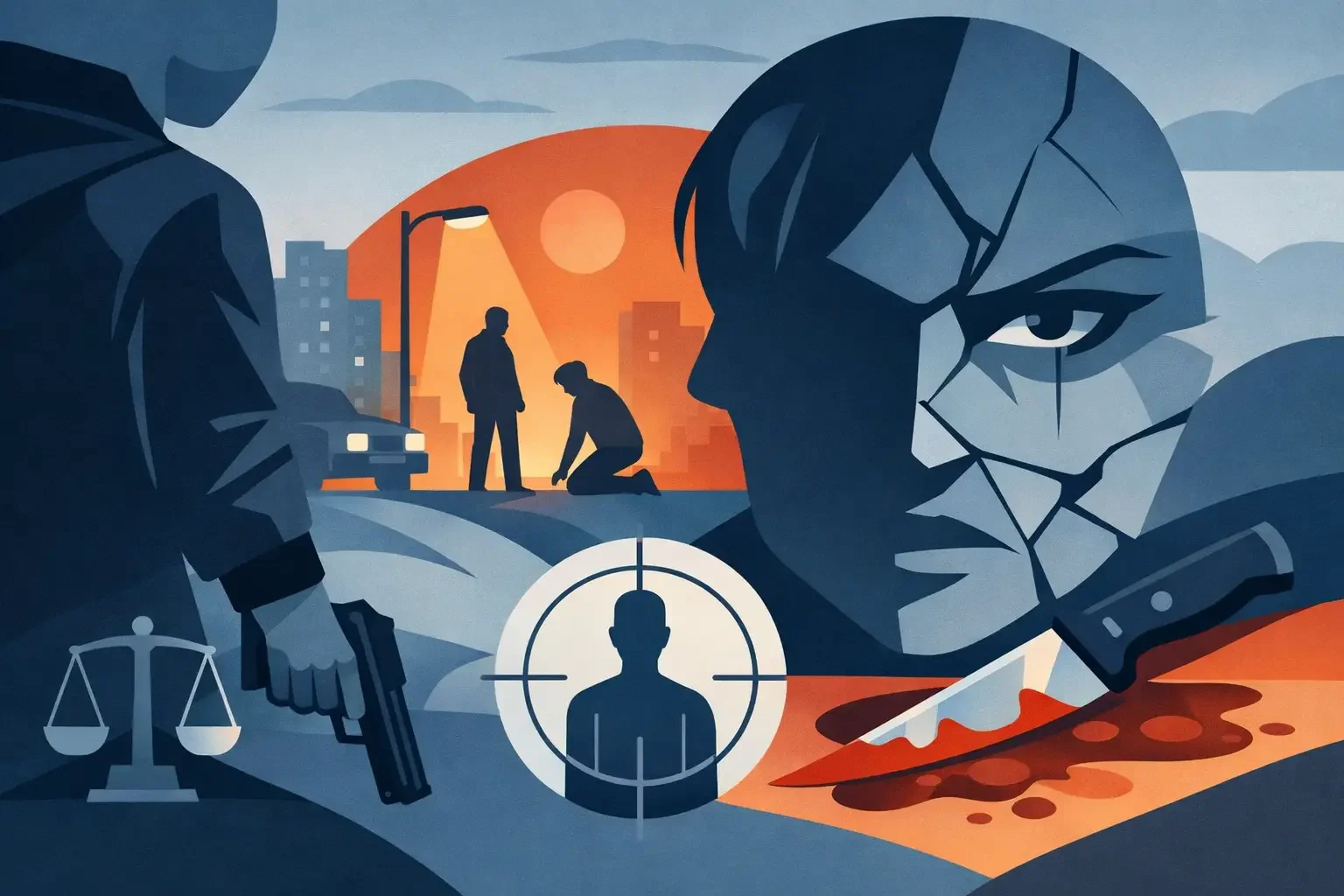
A body in the trunk is a problem. A body in the trunk belonging to the man who destroyed your life is the start of a war. That is the brutal engine behind crime fiction with revenge: someone is hurt, someone crosses a line, and somebody decides the law is too slow, too weak, or too corrupt to deliver justice.
Readers do not come to revenge crime stories for polite resolutions. They come for pressure. They want the hunted criminal to realize the past is not buried. They want a wounded protagonist pushed to the edge. Most of all, they want to know what happens when payback becomes more dangerous than the original crime.
Crime Fiction With Revenge Makes Every Choice Cost More
A standard mystery asks a clean question: who did it? A revenge story adds a second, more volatile question: what will the victim do about it?
That shift changes everything. The protagonist is no longer just collecting clues or surviving a threat. They are carrying a personal wound into every scene. The killer may have taken a spouse, a child, a career, a reputation, or years of someone’s life. Maybe the villain walked free. Maybe the cops were bought. Maybe the person seeking revenge was once part of the same criminal machine.
Now every decision has heat behind it.
A detective can follow procedure. A betrayed father with a gun in his glove box has to fight his own instincts. A former getaway driver trying to settle an old score may be forced back into the crew that wants him dead. The closer these characters get to their target, the more likely they are to lose the last thing they still have.
That is why the best revenge plots feel fast even when the action pauses. A conversation in a diner can carry as much danger as a chase scene when both people know a betrayal is sitting between them.
Revenge Is Not the Same as Justice
The line between justice and revenge is where the real trouble lives.
Justice looks outward. It relies on evidence, courts, consequences, and the idea that the rules should apply to everyone. Revenge is personal. It does not care whether the punishment is legal. It cares whether the pain feels earned.
In crime fiction, that difference gives writers a loaded moral fuse. Readers may understand exactly why the protagonist wants blood, then start to worry about what that need is turning them into. A satisfying story does not have to preach. It just needs to make the cost impossible to ignore.
Sometimes the revenge seeker is right, and the system truly failed them. Sometimes they are chasing the wrong person because grief has twisted the facts. Sometimes the villain deserves every bit of fear coming their way, but innocent people are caught in the blast radius. Those complications keep a story from becoming a simple scoreboard of bad guys getting what they deserve.
The strongest endings rarely feel painless. Even when the target falls, revenge leaves fingerprints. It can wreck a family, expose a secret, trigger a gang war, or turn the avenger into the next suspect. Payback may be earned, but it is never free.
The Ingredients That Turn Payback Into a Page-Turner
Revenge alone is not enough. Anyone can say a character wants vengeance. The story gets its teeth from what stands in the way.
First, the original wound needs to land. It does not need to be graphic, but it needs to matter. Readers have to feel why this character cannot simply walk away. A stolen car will not fuel a novel unless that car carried something bigger - evidence, a dying promise, a child who vanished, or the one chance to escape a life of crime.
Second, the target needs real power. A revenge mission against a helpless opponent has no suspense. The best targets have money, muscle, influence, secrets, or a network of people willing to kill for them. They can hide behind a badge, a corporation, a criminal family, or a carefully built public image. Taking them down means entering hostile territory.
Third, the protagonist needs a weakness as dangerous as the villain. Maybe they are reckless. Maybe they cannot trust anyone. Maybe their past makes the police suspect them before they can explain a thing. A capable character is fun. A capable character one bad choice away from disaster is impossible to ignore.
Finally, the revenge plan has to go wrong. Fast. The name on the list is not the real mastermind. The target knows they are coming. An old ally sells them out. A dead witness turns out to be alive and holding the one fact that could change everything. Each twist should tighten the trap, not merely make the plot louder.
The Best Revenge Stories Have a Clock Ticking
Revenge becomes electric when time is running out.
Maybe the killer is leaving town at sunrise. Maybe a kidnapped witness has forty-eight hours to live. Maybe the protagonist has been framed for murder and must find the real culprit before the cops close in. A clock strips away easy choices. There is no time to wait for backup, no time to recover from a betrayal, and no safe route through the city.
This is where crime fiction earns its cinematic punch. Rain-slick streets. A phone buzzing with one final warning. A warehouse full of armed men. A car screaming through traffic because the person in the passenger seat knows where the body is buried. The action matters because the emotional stakes are already loaded.
Still, nonstop explosions cannot carry a revenge novel by themselves. Quiet scenes do important work. Let the protagonist sit across from the person who betrayed them. Let them find an old photograph, hear a voicemail they cannot delete, or hesitate before pulling the trigger. Those moments give the mayhem a pulse.
Choosing Crime Fiction With Revenge That Delivers
Not every revenge story promises the same ride, and that is part of the fun. Readers looking for a puzzle should choose mysteries where the revenge motive is hidden until the final reveal. Readers who want raw momentum may prefer thrillers that put the avenger and target on a collision course from page one.
For a darker ride, look for stories involving criminal families, corrupt cops, prison grudges, and protagonists with dirt on their hands. These books often ask whether anyone involved deserves a clean escape. If you want a more emotional burn, choose revenge tales rooted in family betrayal, missing persons, or a past crime that has poisoned every relationship in its path.
The trade-off is simple: the more ruthless the revenge, the less likely the ending will be neat. That is not a flaw. It is the point. Crime stories hit hardest when victory comes with smoke, scars, and one final question about whether the protagonist can live with what they have done.
Why We Keep Rooting for the Wrong Thing
There is a wicked little thrill in watching a villain realize the person they discarded, framed, cheated, or left for dead is still standing. Revenge fiction taps into the fantasy that consequences cannot be outrun forever.
But the genre lasts because it does more than hand readers a weapon and a target. It puts us inside the storm. It makes us feel the pull of retaliation, then shows us the wreckage that pull can leave behind. We may want the final shot, the final arrest, or the final confession. We also want to know who walks away after the smoke clears.
Pick a revenge crime novel when you want more than a mystery solved. Pick one when you want betrayal exposed, enemies cornered, and a protagonist with every reason to burn the whole rotten operation down. Just remember: the most dangerous revenge is never the kind that ends when the target falls. It is the kind that leaves one last secret alive.