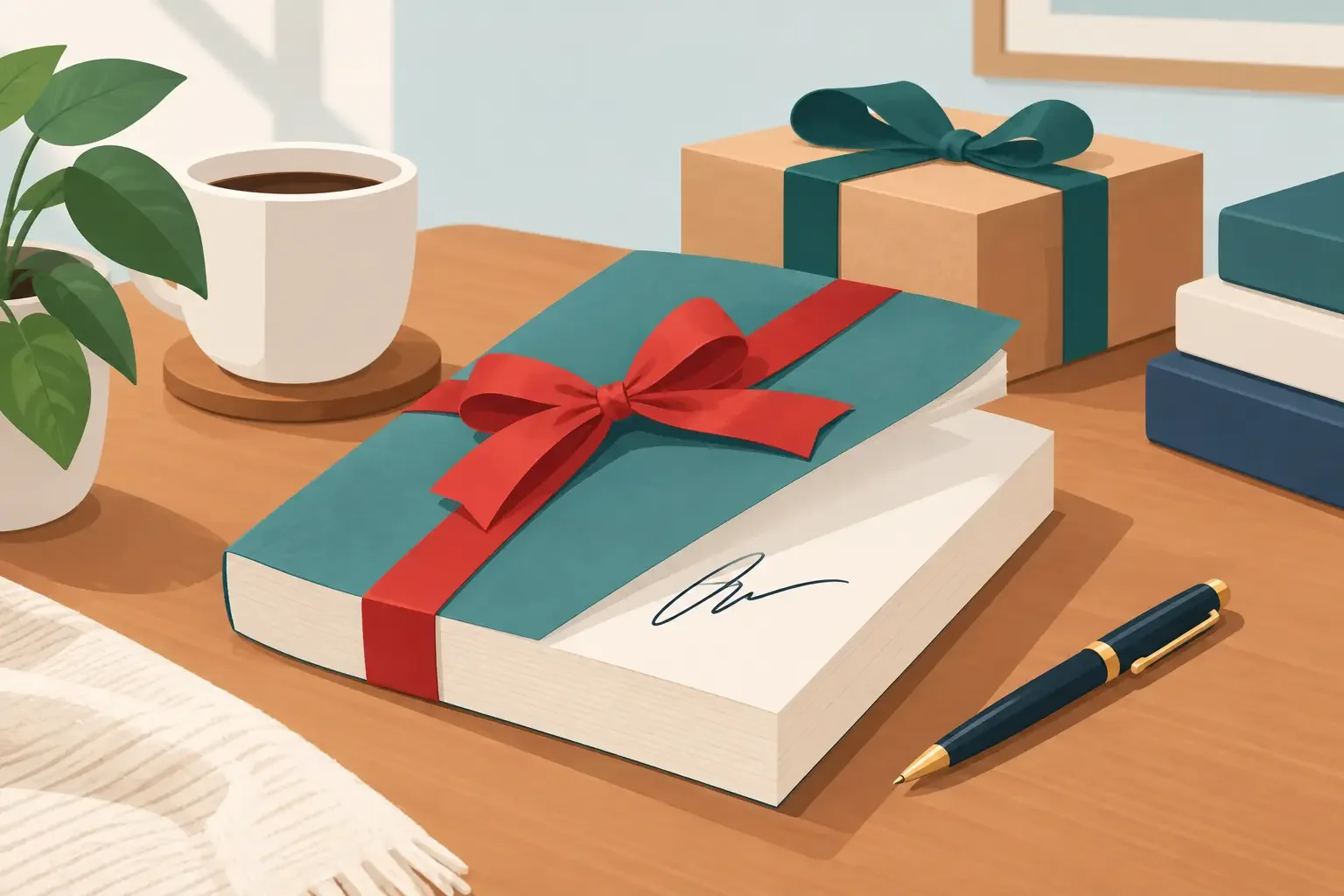
A signed paperback is not just a book with ink on the title page. It is a physical piece of the story world, handed from the person who made the mayhem to the reader ready to crack it open. This signed paperback gift review looks at whether that extra personal touch actually makes a better present for fans of thrillers, mysteries, science fiction, paranormal suspense, and high-speed action.
For the right reader, the answer is a hard yes. A signed book has weight beyond its pages. It says you did not grab the first thing sitting near a checkout counter. You picked a story, chose a format they can hold, and gave them something that feels like it came straight from the author’s desk.
Why a Signed Paperback Gift Hits Harder
Most gifts are used, enjoyed, and forgotten. A paperback can survive on a shelf for years, waiting for a reread, a loan to a friend, or that moment when its owner wants to point at it and say, “I got this signed.” That is the difference.
The signature is small, but it changes the object. A standard paperback is one copy among thousands. A signed edition still delivers the same dangerous plot, twisted reveal, and late-night “one more chapter” pull, but it carries a personal mark. For readers who follow authors, collect series, or care about the people behind their favorite fictional disasters, that matters.
It also avoids the trap of the overly precious gift. Signed paperbacks are collectible, but they are meant to be read. The recipient can dog-ear a page, fling it across the couch after a brutal reveal, and put it back on the shelf afterward. There is no need to treat it like a museum piece.
It gives the reader an experience, not clutter
Genre readers rarely need another generic mug, candle, or novelty shirt. They need their next escape route. A fast-moving paperback gives them hours of suspense, pursuit, betrayal, survival, or cosmic chaos. The signature adds the feeling that the gift was chosen for them, not bought for a vague category called “book people.”
That makes it especially strong for birthdays, holidays, Father’s Day, Mother’s Day, graduations, or a simple surprise for someone who has been grinding through a rough week. When real life gets loud, a book about lethal secrets and impossible odds can be exactly the kind of escape they want.
Signed Paperback Gift Review: Who Is It Best For?
A signed paperback is a great gift when the recipient is already a reader, especially one who likes owning physical books. That may sound obvious, but format matters. Some readers are all Kindle, all the time. Others want the cover art in their hands, the smell of paper, and a shelf that looks like a lineup of worlds they survived.
This gift lands best with readers who love plot momentum. Think of the person who tears through murder mysteries on a weekend, watches science fiction thrillers twice, or gets impatient when a novel spends fifty pages admiring the wallpaper. They want a hook, a threat, and consequences. Give them a signed paperback packed with all three.
It is also a smart choice for a longtime fan of a specific author. A signature turns a familiar name into a direct connection. Independent authors such as Jay Sauls make that connection feel closer because readers are not dealing with a distant corporate imprint. They are supporting the storyteller whose name is on the cover.
Still, it depends on the recipient. If they are a strict minimalist, travel constantly, or only read digitally, a physical copy may not be their ideal format. A signed paperback works because it is personal, not because it is universally better than an ebook. Know the reader before choosing the weapon.
What Makes a Paperback Feel Gift-Worthy
The best book gifts are specific. Do not select a novel only because it is signed. Select it because the premise sounds like it was built for the person opening the package.
If they like psychological thrillers, look for a story with buried trauma, unreliable motives, or a protagonist whose past is closing in fast. If they prefer murder mysteries, give them a case with a body, a clock, and suspects hiding sharp teeth behind polite smiles. Science fiction readers may want alien threats, collapsing worlds, desperate crews, or technology that creates bigger problems than it solves. Paranormal suspense works when the unknown feels dangerous instead of decorative. Racing fiction should smell like fuel, hot asphalt, bad decisions, and a finish line that might as well be a firing squad.
The cover also does work before page one. A bold, genre-clear design tells the recipient what kind of ride is waiting. Dark shadows, wreckage, weapons, distant planets, flashing lights, or a figure running from something they cannot outrun all set the tone. A gift should make the reader want to start immediately.
The inscription question
A plain signature is clean and collectible. A personalized inscription is warmer. Neither is automatically better.
If you are buying for a serious collector, a signature without a name may be preferable. It keeps the copy flexible and focused on the author’s mark. If you are buying for a spouse, parent, friend, or fellow reader, a short personalization can turn the book into a keepsake. Keep it simple. The story should remain the main event.
Avoid trying too hard to make the message clever. A sincere line beats a joke that lands like a flat tire. “Hope you enjoy the ride” is plenty for an action novel. Let the pages provide the explosions.
The Real Trade-Off: Personal Value vs. Pure Convenience
A digital book is instant. A signed paperback is tangible. That is the trade-off.
If you need a last-minute gift, an ebook can save the day. It arrives fast, travels anywhere, and suits readers who keep an entire library in one device. But it cannot be signed in the same physical, shelf-ready way. It cannot sit on a nightstand and remind someone who gave it to them.
A signed paperback may require a little more planning, particularly if it is being shipped as a gift. That effort is part of its advantage. The package arrives. The recipient opens it. The cover catches their eye. Then they see the signature. The reveal has a little more movie magic than a notification on a screen.
Price can be a factor too. Signed editions may cost more than standard copies, though the difference is often reasonable when you consider the personal element. Free domestic shipping, when available, makes the value stronger for US buyers. The point is not to chase the cheapest version of a story. It is to give a copy that feels like it belongs to one person.
How to Choose Without Guessing Wrong
Start with the reader’s favorite kind of trouble. Ask what they watch, what they reread, and which stories make them stay up past midnight. A fan of quiet historical fiction may not want a blood-soaked survival thriller. A reader who lives for chase scenes may not want a slow domestic mystery.
Then consider whether they are starting fresh or already invested in a series. The first book is usually the safest entry point for a new reader. For an established fan, the newest release can feel like a reward, while a signed earlier installment can fill a gap in their collection.
Finally, think about the occasion. A holiday gift can be a surprise. A milestone gift may deserve a personalized note. For someone going through a difficult stretch, choose the book that promises escape and momentum instead of a story likely to hit too close to home. High stakes are fun. The gift itself should not feel like a risk assessment.
A Gift With a Pulse
The strongest presents tell the recipient that you see them. A signed paperback does that without making a big speech. It puts danger, mystery, speed, and escape directly in their hands, then leaves room for the reader to make the experience their own.
Choose the story that matches their appetite for chaos, write a note if it fits, and let the first page do what great genre fiction does best: pull them into trouble before they have time to look back.