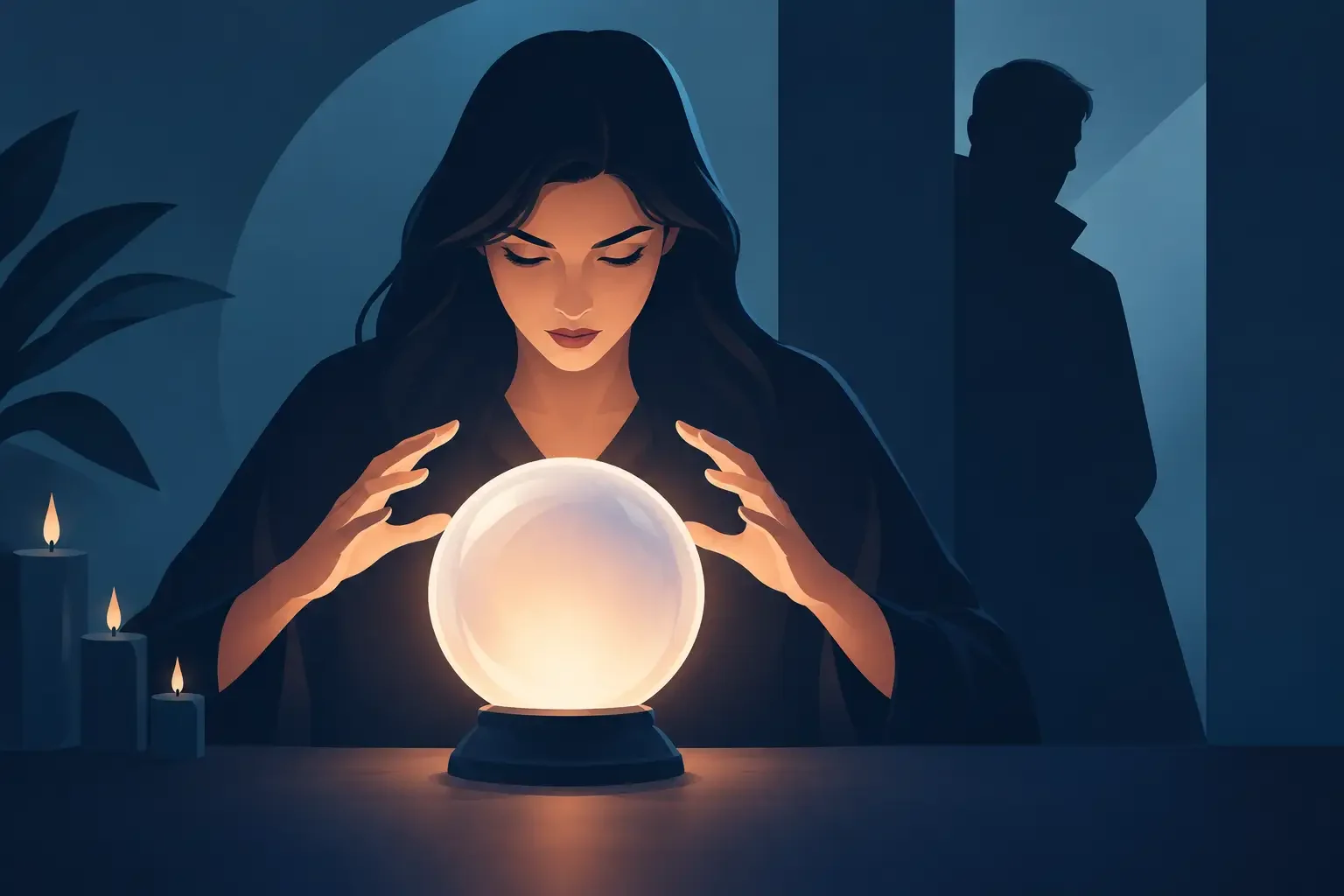
A detective can dust a gun for prints. A killer can burn evidence. But what happens when the only witness is a nightmare that keeps coming true? That is the hard, dangerous engine inside psychic mysteries: the truth arrives early, incomplete, and dripping with consequences.
This is not mystery fiction with a supernatural sticker slapped on the cover. At its best, the psychic element turns every familiar rule of suspense against the characters. A vision may reveal a body before it is found. A dead stranger may whisper a name. A protagonist may sense the killer is close, then realize the killer knows exactly what they can do.
The result is a story with two ticking clocks. There is the crime itself, and there is the question of whether anyone can understand the warning before the next body drops.
Psychic Mysteries Start With a Bad Advantage
Psychic ability sounds like a cheat code until the story gets mean. If a character can see the future with perfect clarity, the plot is over before it starts. No chase. No doubt. No reason to turn another page.
The best psychic mysteries make the gift costly, unreliable, or both. The visions arrive in flashes: a child’s red boot floating in black water, a motel sign buzzing in the rain, blood on a kitchen floor that has not happened yet. The psychic knows something terrible is coming, but not where, when, or how to stop it.
That uncertainty is where the tension lives. A clue becomes a threat because it can be misunderstood. A future event becomes a trap because trying to prevent it may cause it. The protagonist is not all-powerful. They are carrying a loaded weapon with no safety and no instructions.
It also creates a sharp personal problem. Who believes them? Cops need evidence. Families want reassurance. Skeptics want proof. Meanwhile, the person with the visions is losing sleep, doubting their own mind, and watching details from their worst dreams crawl into daylight.
The Killer Gets a New Kind of Battlefield
A conventional murderer hides the physical trail. In a psychic thriller, hiding may not be enough. The killer has to contend with intuition, premonition, dreams, contact with the dead, or a survivor who can feel the truth through a locked door.
That raises the stakes, but it also makes room for a more vicious antagonist. Maybe the killer leaves symbols designed to poison each vision. Maybe they stage scenes to feed the psychic false conclusions. Maybe they know about the ability and turn the hunt into a private game of terror.
Now the investigator is not just following breadcrumbs. They are being watched through the very thing that is supposed to help them. A message from beyond can be genuine, manipulated, or bait. The reader has no safe ground, and that is exactly the point.
The strongest villains in this lane understand one ugly fact: fear does not need to be rational to be effective. If they can make the hero question every vision, they can make the hero hesitate. In suspense, hesitation kills.
A Vision Should Complicate the Case
A psychic clue earns its place when it causes trouble before it provides answers. It should split allies, send the investigation down a risky road, or force the protagonist to confront something they would rather keep buried.
Say a woman dreams of a man burying a knife beneath an oak tree. She finds the tree. She finds the knife. But the fingerprints belong to her missing brother. Is he the killer, the victim, or the person who planted it there? That is a mystery. Simply dreaming the murderer’s full name and address is not.
This genre works when the supernatural increases pressure on the human story. Grief, guilt, rage, obsession, and betrayal still matter more than glowing eyes and spooky whispers. The paranormal force opens the door. Character conflict kicks it off the hinges.
Why Psychic Mysteries Hit So Hard
A good mystery asks, “What happened?” A good thriller asks, “Can anyone survive what happens next?” Psychic mysteries can ask both questions while adding a third: “Can fate be beaten?”
That third question is pure gasoline.
Most people know the feeling of sensing trouble before there is proof. The call you do not want to answer. The empty road that suddenly feels wrong. The face in a crowd that sparks a memory you cannot place. Psychic fiction takes that instinct and pushes it into nightmare territory. What if the feeling is real? What if it is too late? What if you are the only person who can see the danger coming?
The stories also hit because the supernatural makes private pain visible. A grieving father hears his dead daughter in the walls. A traumatized detective relives murders through the eyes of victims. A woman escaping an abusive past begins seeing violent deaths before they happen. The ability is not just a cool power. It is an emotional wound with teeth.
That is why these books can move from crime scene to haunted house to small-town conspiracy without losing momentum. The mystery is external, but the terror is intimate. The hero cannot walk away from the case because the case is already inside their head.
The Rules Matter More Than the Magic
Paranormal suspense can get messy fast if the rules bend whenever the plot needs a rescue. Readers will follow ghosts, visions, telepathy, and impossible warnings. They will not happily follow a story where the power does whatever it wants on page 20 and something completely different on page 200.
The rules do not need a lecture. They need consistency. Maybe visions only reveal moments of extreme violence. Maybe the psychic must touch an object. Maybe each use costs a memory, triggers unbearable pain, or gives the killer a glimpse back. Set the boundaries early, then make the characters suffer inside them.
Limits are not handcuffs. They are fuel. When readers understand what the power cannot do, every attempt to use it becomes sharper. If a character can contact the dead only once, who do they call? If the future can be changed but at a brutal price, what are they willing to sacrifice?
There is a trade-off here. Too much explanation can drain the story of dread. Too little can make every revelation feel arbitrary. The sweet spot is a world that feels dangerous but legible, like a dark highway where the headlights only show fifty feet ahead.
The Best Psychic Mysteries Keep Moving
Atmosphere matters. Foggy graveyards, abandoned hospitals, cold cases, rural roads, and locked basements all earn their place. But mood alone will not carry a high-intensity story. The plot needs motion.
A vision should trigger an action. The action should expose a new risk. That risk should force a harder decision. By the time the protagonist understands the meaning of the first clue, they should be running out of time, allies, or blood.
This is where psychic mysteries become perfect territory for readers who want more than a quiet puzzle. The clues are strange, but the stakes are concrete: stop the murder, find the missing person, survive the entity, expose the lie before it swallows another life. Every answer should make the danger bigger.
A memorable ending usually does not come from revealing that the psychic was right all along. It comes from revealing what the vision actually meant. The image everyone feared may have been a warning about a different betrayal. The dead voice may have been protecting the wrong person. The future was never fixed, but changing it demanded a choice nobody walks away from clean.
When the Future Knocks, Answer Carefully
The appeal of psychic mystery fiction is not that it promises easy answers from the other side. It promises the opposite. It throws a character into the dark with one broken piece of the truth and dares them to act before the darkness acts first.
That is the kind of hook that sticks. Give readers a warning they cannot ignore, a secret with a pulse, and a hero willing to chase the truth even when it chases back. Then make every glimpse of the future feel like bad news arriving early.