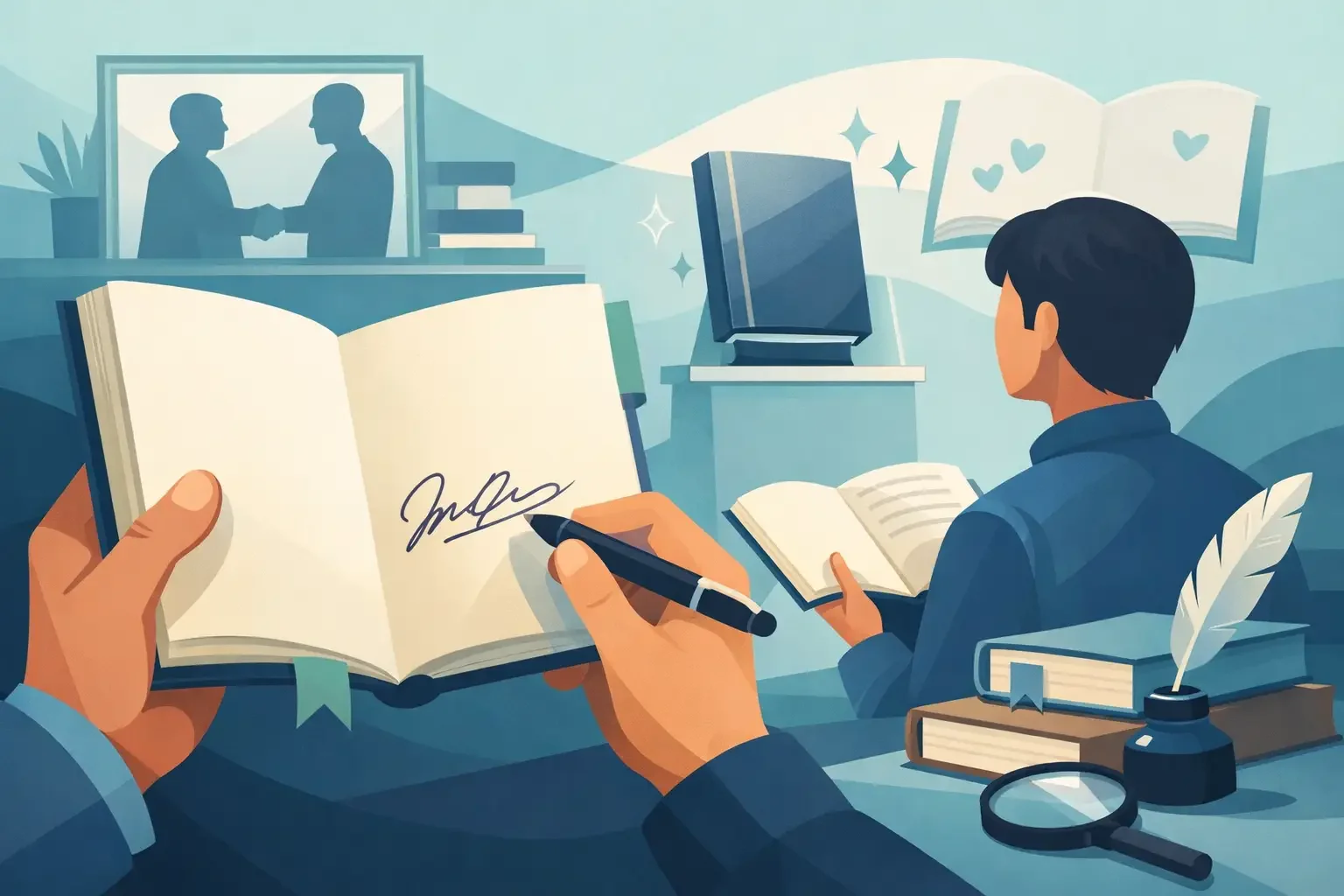
A paperback can survive a lot: late-night reading sessions, a long flight, a coffee spill that nearly turns into a crime scene. But a signed copy carries something an ordinary book cannot. If you have ever wondered why buy signed editions, the answer is not just the ink on the title page. It is about owning a piece of the story’s journey before it lands in your hands.
For readers who like danger, secrets, chases, killers, monsters, and heroes with nowhere safe to run, a signed edition makes that high-stakes escape feel more personal. It is not a museum piece you are afraid to touch. It is your copy. Read it hard. Loan it only to people you trust. Put it back on the shelf knowing it has a direct connection to the person who dreamed up the mayhem.
Why Buy Signed Editions Instead of a Standard Copy?
A standard paperback gives you the full story, and there is nothing wrong with that. Digital editions, library copies, and mass-market paperbacks all have a place. Sometimes you need the fastest, cheapest way to start reading, especially when a cliffhanger is waiting and you refuse to sleep until the case is closed.
A signed edition is for the moment when you want the book itself to matter beyond the final page. The author held it, opened it, and left a mark specifically for the reader who buys it. That is a small thing physically, but it changes the feeling of ownership. The book stops being just another product pulled from a warehouse shelf. It becomes a copy with a human trail behind it.
That connection matters even more with independent authors. Big publishing can feel like a machine: cover, preorder, release day, next title. Buying direct from an author puts a real person back in the frame. You are not only picking up a thriller or sci-fi adventure. You are backing the writer behind the explosions, the betrayals, and the final-chapter gut punch.
The Signature Is a Moment, Not Just a Mark
A signature is proof that the book crossed the author’s desk on its way to yours. It might be a simple name on the page. It might include a personal inscription. Either way, it gives the copy a sense of occasion.
Think about your favorite books. The ones you keep are rarely the ones that merely entertained you for a few hours. They are the stories that hit at the right time, introduced a character you cannot forget, or made you miss your stop because you had to finish one more chapter. A signed edition gives that kind of book a physical identity on your shelf.
It can also make a great gift without becoming stiff or overly sentimental. If someone in your life tears through murder mysteries, paranormal suspense, or fast-paced action fiction, a signed paperback says you paid attention to what they actually enjoy. It is more memorable than a generic gift card and far less likely to disappear into a drawer.
Direct Support Hits Different
When you buy a signed book directly from an author, more of the purchase generally supports the person making the work. That support helps cover editing, cover design, printing, shipping, advertising, and the next wild idea that needs to become a novel.
For an indie author, every direct sale has weight. It helps make the next release possible, helps build a readership outside the gatekeepers, and helps keep genre fiction moving at full throttle. You are choosing to support the creator rather than only the systems around the creator.
That does not mean every purchase has to be direct. Amazon, ebooks, Kindle Unlimited, used bookstores, and libraries all help readers find stories in different ways. Read where it works for you. But when you want to make your purchase more personal, a signed edition is one of the clearest ways to do it.
What Makes a Signed Edition Worth It?
The value is not the same for every reader. Some people collect first editions, special covers, and every variation of a favorite series. Others only want one signed book: the novel that introduced them to an author they now follow release after release.
The best reason to buy is simple: you want a copy you will be glad to own. Not because somebody promised it would become valuable, but because the story means something to you. Collectibility can be a bonus, especially for early printings or books signed close to release, but it is not a guaranteed investment. Tastes change. Markets swing. A signature does not automatically turn a paperback into a rare artifact.
The real payoff is emotional and practical. A signed book is a keepsake, a conversation starter, and a reminder of the worlds you chose to spend time in. On a shelf full of familiar spines, it is one copy with a little extra electricity in it.
It Builds a Shelf With a Story Behind It
There is a difference between having books and building a library. A library reflects your taste, your obsessions, and the stories that got their hooks into you. Signed editions add context to that collection.
Maybe it is the first book you bought after discovering a new thriller writer. Maybe it is the installment where the series went completely off the rails in the best possible way. Maybe it is the copy you picked up because the premise sounded insane: a hunted protagonist, a buried secret, a countdown, and no clean way out.
Years later, you may not remember every plot detail. You will remember why you bought that particular book. The signature helps preserve that memory.
Signed Copies Make Better Gifts for Genre Readers
A signed edition works especially well when the recipient already loves physical books. E-readers are convenient, but a signed paperback has presence. It can be wrapped, opened, displayed, and revisited.
For birthdays, holidays, graduations, or a surprise for someone who needs an escape from real life, choose a story that matches their appetite. Give the conspiracy fan a tense mystery. Give the action reader a book with speed, violence, and impossible odds. Give the paranormal reader something dark enough to keep the lights on after midnight. The signed page turns a strong genre pick into a gift with a personal edge.
When a Signed Edition May Not Be the Right Buy
There is no need to pretend a signed paperback is the answer for everyone. If you read almost entirely on a Kindle, need large print, live outside the shipping area, or are watching every dollar, a digital or standard edition may be the smarter move. The story is what counts most.
Signed books can cost more because they involve physical inventory, the author’s time, packing materials, and shipping. They also take up space. If you are a ruthless declutterer, the appeal of owning a special copy may not outweigh the convenience of reading electronically.
And if you want a book solely because you expect a huge resale return, pause before buying. Read it because you want it. Keep it because it earns its spot. Any future collector value should be treated as a possible extra, not the mission.
Why Signed Editions Fit Fast, High-Stakes Fiction
Action-driven stories are built for the kind of reader who wants to feel the momentum. You are not casually browsing the pages. You are racing through them while somebody is being hunted, a lie is coming apart, or the clock is bleeding down to zero.
That intensity is why physical copies still matter. When a book delivers the right kind of chaos, it becomes more than content. It becomes evidence of a good time. A signed edition of a Jay Sauls novel brings that direct-reader connection into the experience: the author who wrote the danger has personally marked the copy now sitting in your hands.
There is also something satisfying about seeing a signed thriller, mystery, or sci-fi adventure on the shelf after you finish it. It is a trophy from the ride. Not polished and distant, but real, reachable, and tied to a writer you chose to support.
A signed edition will not make a weak story better. What it can do is give a story you already want a more permanent home. Pick the book that promises the kind of trouble you like best, crack the cover, and let the signature be the first clue that this copy is yours.